OLYX Oil pushes into specialty fuel processing as Australia’s fuel-security market opens to new entrants
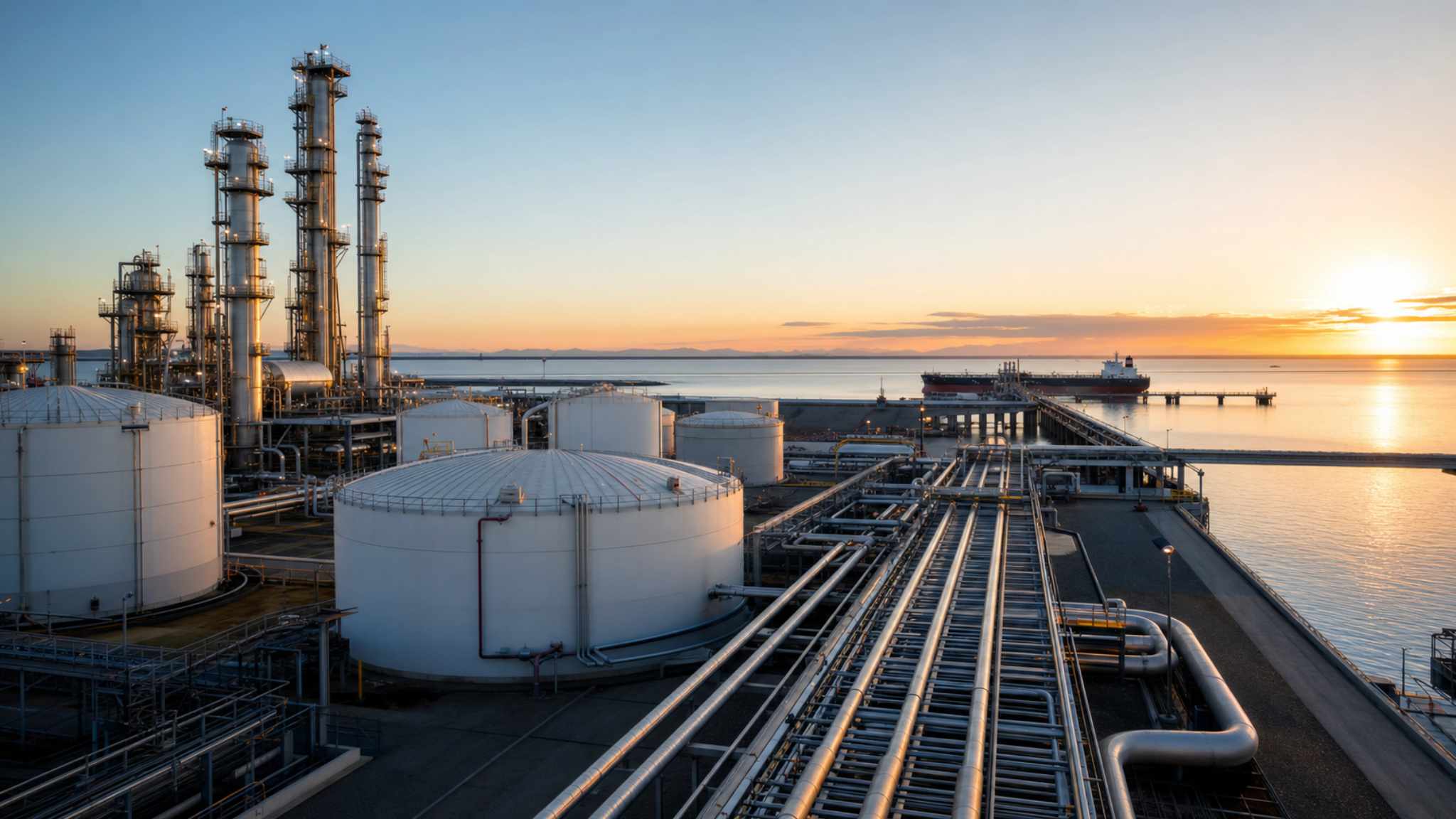
Australia’s fuel-security debate is creating space for a new generation of specialist operators, with OLYX Oil beginning work on a specialty fuel processing terminal designed to convert off-specification diesel into compliant diesel while recovering naphtha and other by-products.
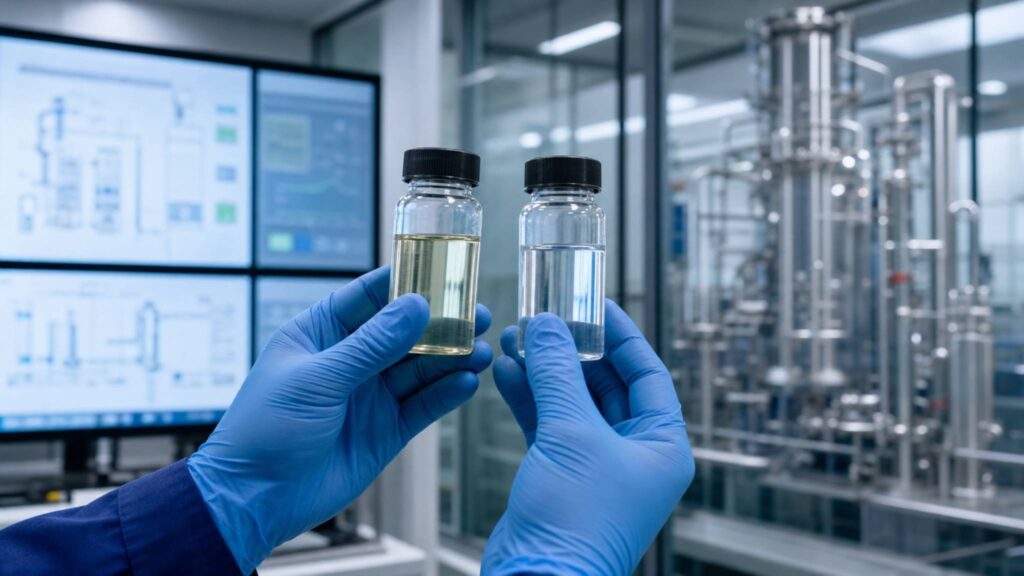
The project is aimed at a structural inefficiency in the Australian fuel market: volumes of sub-specification fuel that cannot enter compliant distribution channels. OLYX Oil’s model is to acquire that fuel at a discount, process it into on-specification diesel, recover valuable by-products and sell the outputs into established markets.
The company says the model is intended to create two large-volume revenue streams from a single feedstock. The first is compliant diesel. The second is recovered naphtha, which can be sold predominantly as petrochemical feedstock or blendstock. For investors, lenders, insurers and petroleum-trade counterparties, the significance is that the model is not simply another fuel-trading strategy. It is a processing, compliance and yield-recovery play.

The move comes as Australian fuel policy has shifted from passive market reliance toward active resilience planning. The National Fuel Security Plan treats fuel resilience as a coordinated task across the Commonwealth, states, territories and industry, and highlights diesel’s importance to the national economy (Department of the Prime Minister and Cabinet). Export Finance Australia’s Strategic Reserve framework prioritises additional fuel supply where gaps or shortages exist, rather than replacing fuel already contracted by importers (Export Finance Australia).
In April 2026, Export Finance Australia announced the first fuel shipments under the new Strategic Reserve powers, securing about 100 million litres of additional diesel from Brunei and South Korea, with EFA partnering with Viva Energy and agreeing commercial terms with Ampol, Park Fuels and IOR (Export Finance Australia). The announcement reinforced a clear policy signal: additional supply, credible logistics and practical delivery capability are now national priorities.
That policy shift is important for new entrants. Australia’s fuel market has long been dominated by major operators with the infrastructure, balance sheets and trading systems required to operate at scale. Government measures designed to improve fuel resilience are now helping create a more attractive environment for entrepreneurial firms with narrower technical capabilities, particularly in processing, logistics, verification and supply-chain optionality.
OLYX Oil is positioning its terminal as part of that next phase. Beyond conventional distillation infrastructure, the company is evaluating emerging separation technologies including membrane pervaporation, selective adsorption and supercritical fluid extraction. These technologies are being assessed for their potential to reduce energy consumption, lower operating costs and improve yield precision compared with conventional atmospheric distillation as they mature toward commercial scale.
The innovation element is not only technological. It is also commercial. Off-specification fuel is often treated as a problem because it cannot enter normal compliant channels. A processing terminal that can lawfully acquire, upgrade, certify and sell recovered products changes that equation. It turns a discounted input into a compliance-driven margin opportunity.
For financial institutions, the project raises an infrastructure-style opportunity linked to physical assets, contracted feed streams and long-term offtake arrangements. For insurers, it creates a different underwriting conversation around product quality, custody, operational controls, environmental compliance and process technology. For government, it demonstrates how policy incentives can invite new participants into a market historically shaped by a small number of large operators.
The broader industry implication is that fuel security may increasingly be built through a mix of incumbent scale and specialist innovation. Australia still needs major suppliers, importers and distributors. But a more resilient system may also require smaller, focused operators that can solve specific inefficiencies in processing, logistics and product recovery.
OLYX Oil’s project reflects that emerging landscape. The company is not presenting the terminal as a replacement for major fuel suppliers. It is positioning it as a specialist contribution to a market that now values additional supply pathways, more efficient processing and practical fuel resilience.
As Australia continues to strengthen its fuel-security settings, the next test will be execution. Policy has opened the door for new entrants. The operators that can convert that opening into compliant product, reliable offtake and disciplined returns may help redefine how Australia thinks about fuel innovation.
See www.olyxoil.com for further information or:
Contact: Mr Paul Delosa, General Manager AUS
Email: paul.delosa@olyxoil.com
City: Melbourne Australia